
"ADVANTAGE"
Effective cleaning methods for hotel public areas
Cleaning tips
·CLEANINGLINE·
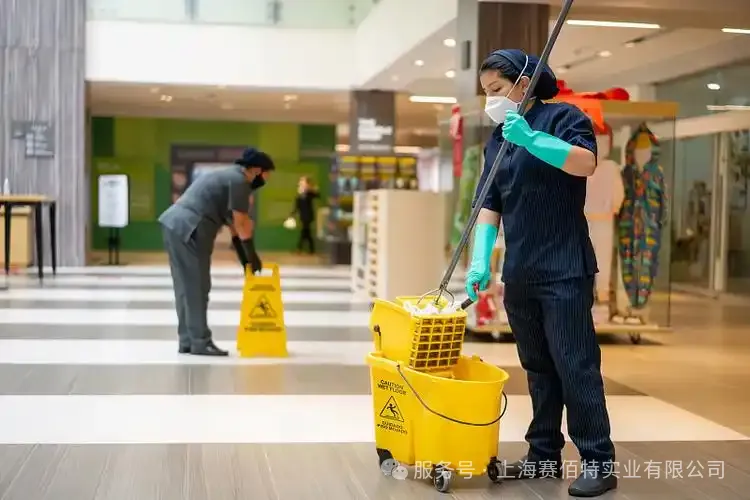
Cleaning the public areas of a hotel is not only beneficial to enhancing the overall image of the hotel, but also creates a comfortable environment for customers. At the same time, clean and tidy public areas can also enhance customers' trust in their stay and give them a more intuitive recognition of the hotel's service quality. Doing a good job in cleaning the public areas can also reduce the breeding of germs in sanitary dead ends, providing a safeguard for the health of all guests and staff. It is an essential basic work for hotels to improve their service reputation and maintain long-term competitive advantage.
01
Cleaning Method
●
01
●
Cleaning frequency and operation standards

High-frequency areas (such as lobbies, bathrooms, and elevators):
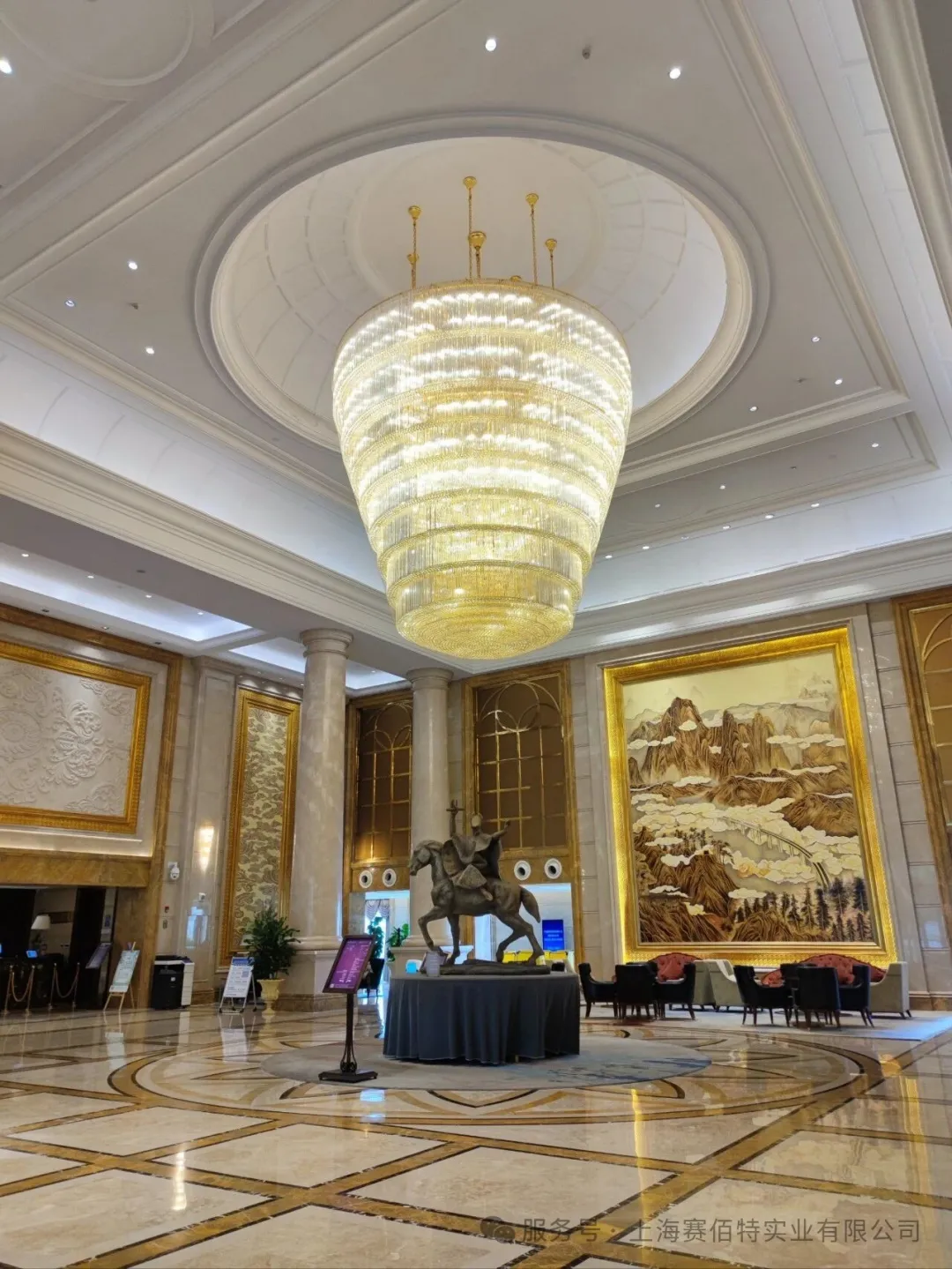
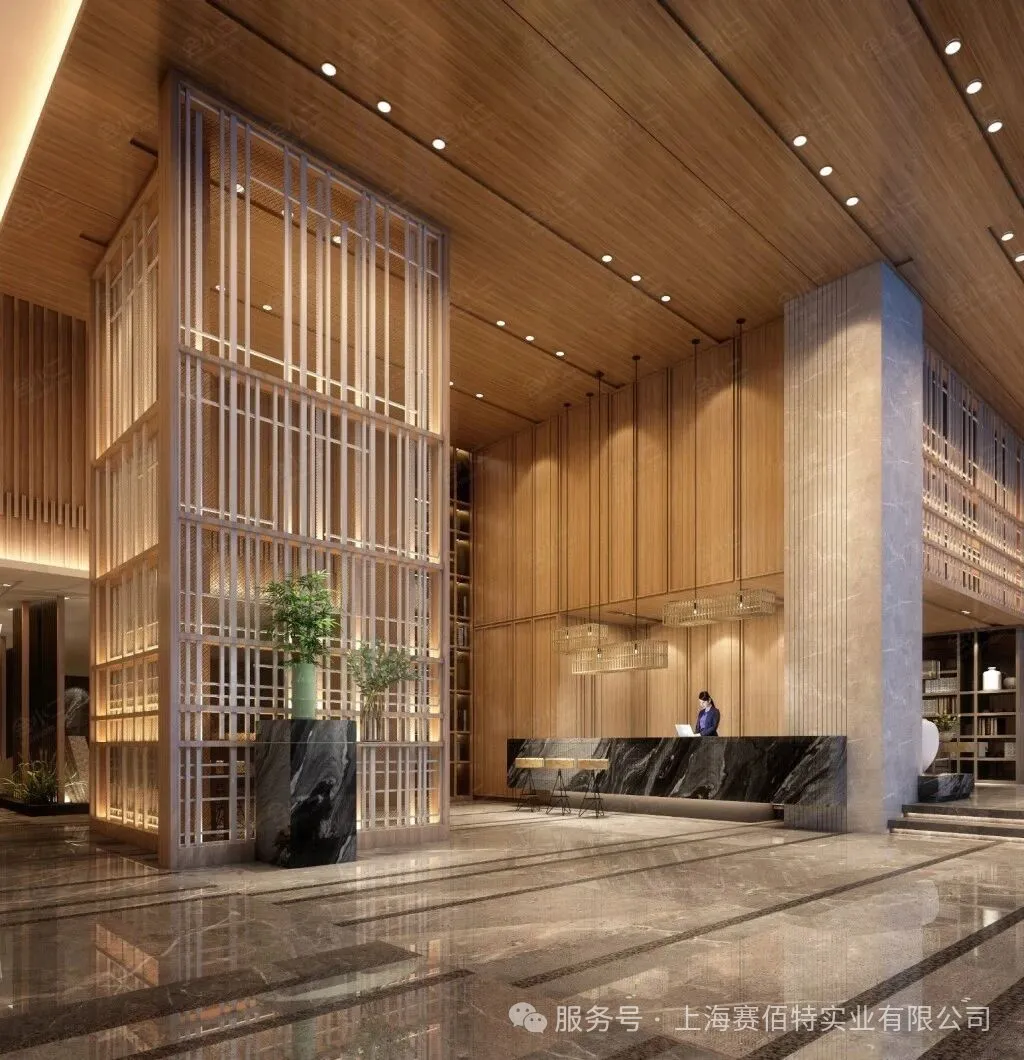
●Lobby floor: Dust at least twice daily, and increase the frequency during rainy days or peak periods of foot traffic; use wet mopping combined with dry sweeping to ensure the floor is free of dust and hair, and the dryness level reaches over 80%.
●Bathroom: Clean up every hour (including replenishing guest supplies, wiping the mirror, and emptying the trash can), and conduct thorough cleaning in the afternoon and at night each day.
●Elevator: Clean at least three times a day (morning, afternoon, and late night), including the top of the car, buttons, floor, and ventilation outlets.
●Walls and glass: Wipe from top to bottom in one direction to achieve a fingerprint-free, watermark-free, mirror-like effect; replace the dishcloth regularly to prevent fiber residue on the glass.
Low-frequency but easily overlooked areas (sanitary dead zones):
●Lobby: The bottom of sofas, gaps between flowerpots, the back of the service counter, etc. should be cleaned at least once a week.
●Corridors and stairs: The corners of walls, behind fire hydrants, and the sides of steps should be thoroughly cleaned every two weeks.
●Parking lot and green belt: Thoroughly clean monthly, removing oil stains, cigarette butts, fallen leaves, etc.
●
02
●
Cleaning tools and supplies specifications
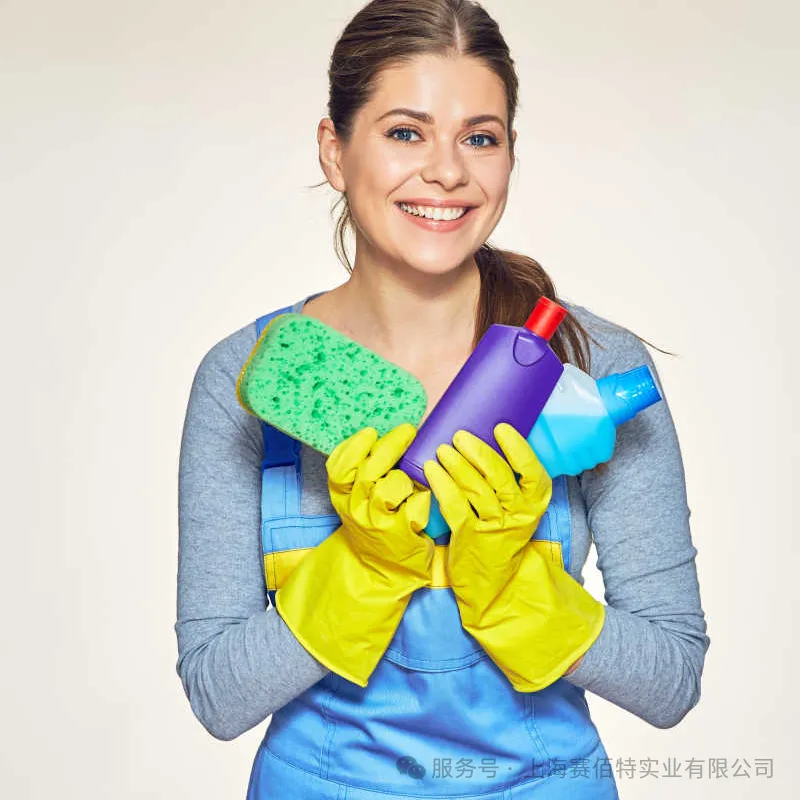
●Use cleaning tools with anti-hair-shedding treatment to avoid secondary pollution.
●Do not use a hard-bristled brush to scrub the floor to prevent scratching the floor tiles.
●The pH value of the cleaning agent should be controlled at 6.5–7.5 (especially for floor tiles) to avoid corroding the surface.
●For disinfection, use a chlorine-containing disinfectant with an effective chlorine concentration of 500 mg/L or 250 mg/L chlorine dioxide, and let it act for 30 minutes before rinsing with clean water to remove any residues.
●
03
●
Quality control and supervision mechanism
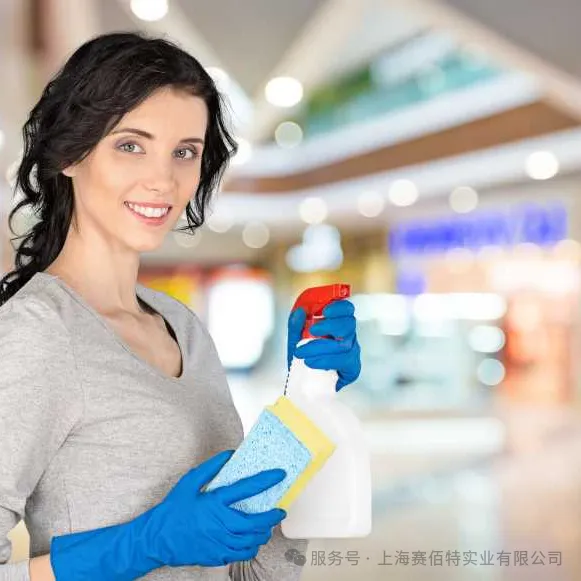
Standardized process: Clarify the cleaning steps, frequency, and acceptance criteria for each area (such as no stains on the floor and no odor in the bathroom).
Individual responsibility: Adopt a system of divided responsibility and lump sum payment, linking cleaning quality to performance.
Multi-level inspection: self-inspection by cleaning staff → irregular patrols by supervisors → comprehensive weekly inspection by the quality department.
Customer feedback: Collect issues through suggestion boxes or online reviews, and dynamically adjust cleaning strategies.
●
04
●
Safety and environmental protection requirements
●When cleaning, please be mindful of water and electricity conservation, and report any facility malfunctions promptly.
●Use environmentally friendly cleaning agents (such as phosphate-free formulas) to reduce environmental pollution.
●High-altitude work (such as cleaning lights or hanging pictures) requires specialized climbing equipment and should be operated by designated personnel.